My own business / We’re Back Co.
Make campaign reporting
easier to work with.
Campaign names often live inside long tracking links. I built a tool with Codex that turns that information into simple labels on Shopify orders, so it is easier to find and group when reviewing sales.
What the tool does
Read the campaign information
Find the campaign and ad names recorded in the customer’s landing link. Skip missing or unfinished information.
Add useful labels
Turn those names into consistent order labels. A preview shows the proposed changes, and the tool keeps existing labels.
Know what the labels can tell you
The label tells you what the link recorded. It does not prove that an ad caused the sale, and it cannot fill in missing information.
Try an example
What the link records
/products/sample?utm_source=instagram&utm_medium=paid_social&utm_campaign=sample-launch&utm_content=sample-creativeWhat the tool proposes
ad-sample-creativecampaign-sample-launchsource-instagram-paid_social
Illustrative input and proposed output; this page does not connect to Shopify or change an order. A link label records what the link contained. It does not prove an ad caused a sale.
Built and used in my own business
This is a working WBC tool, with a preview mode and checks to avoid adding the same labels again. I reviewed its run records and checked a resulting label in Shopify. The examples above use sample information, not customer records.
Download the source excerptOperating evidence and limits
Reviewed against the WBC tagging source, attribution specification and September 1–13, 2026 run logs. The logs record 49 live-mode runs, 32 with tagging actions, and no logged errors in that interval. One recorded tag was independently read back from Shopify on September 13. This establishes recorded operation and a sample readback, not perfect attribution, time savings or sales lift. The source excerpt excludes customer records, credentials and store connection code.
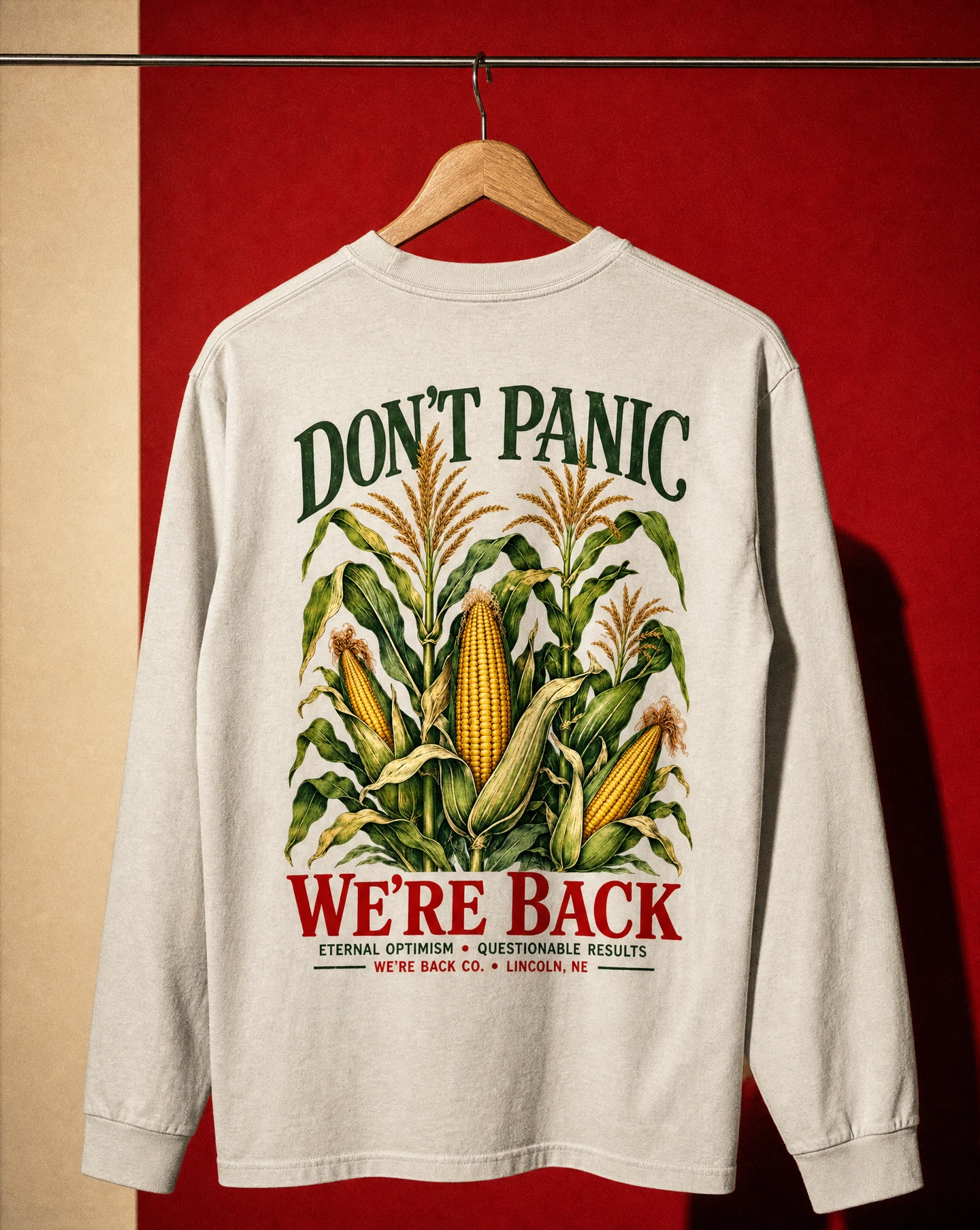
Creative is part of the practice, too
A specific brief comes first.
For the Don’t Panic visual: a back view, scarlet backdrop, warm grain and a ’90s flash-photo feel. Kive supports image development; Higgsfield is part of my video workflow. Product and artwork review remain part of the job.
See the WBC placementConcept to physical product
The image and the actual print.
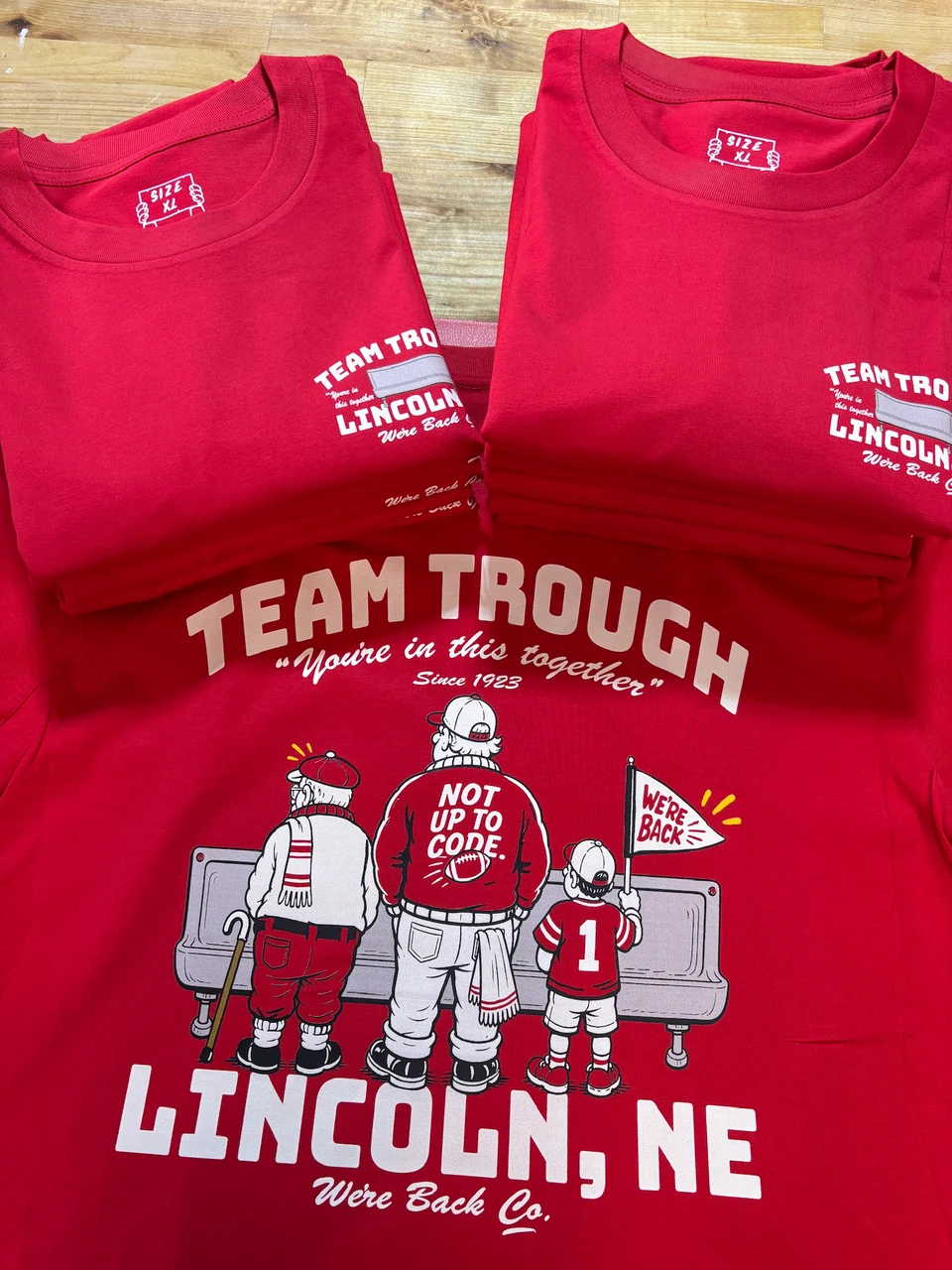
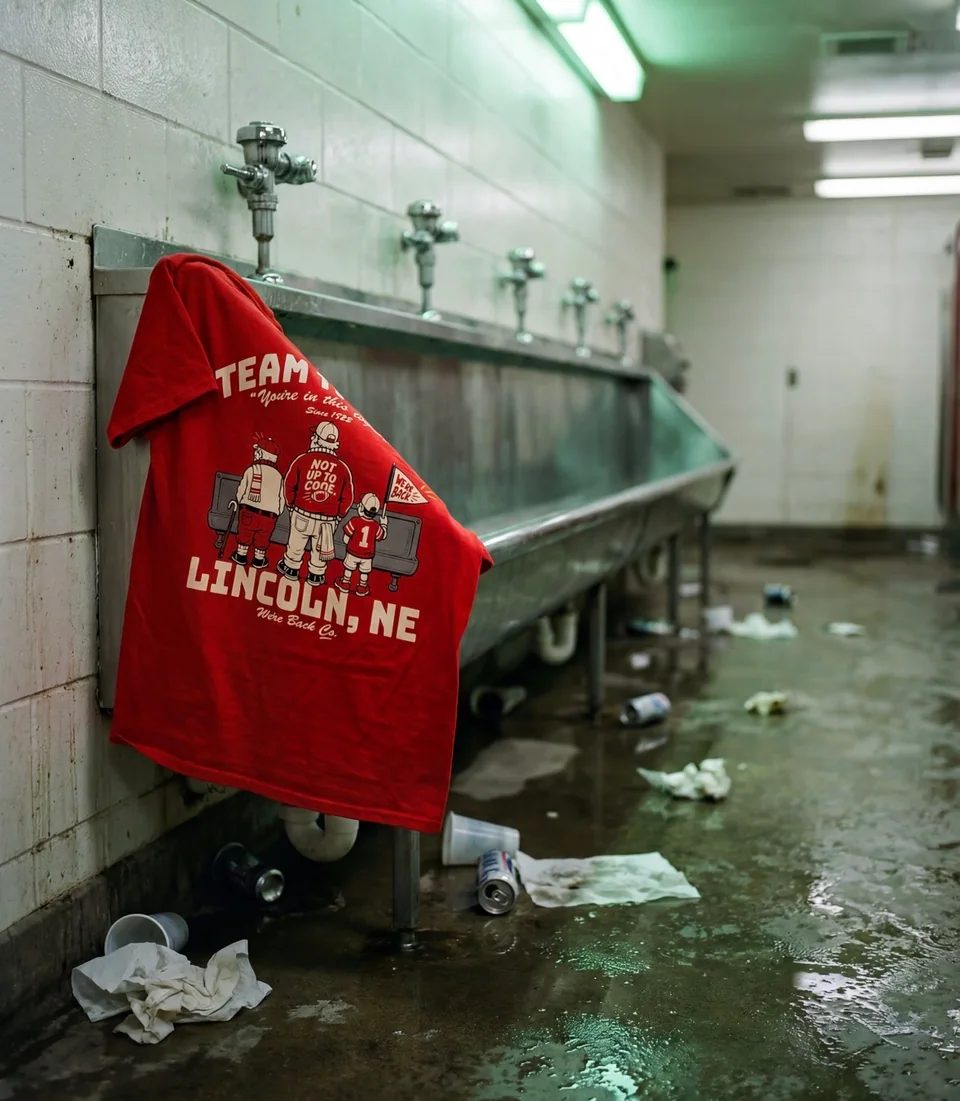
Team Trough had to work as a campaign idea and as a shirt someone would receive. Drag to compare an AI-assisted campaign image with a photograph of the printed gear.
These are different photographs of the same design, not a pixel-matched before-and-after.
Bring one recurring task.
We’ll define the inputs, build a prototype, review its output and document how your team can use it.
Discuss your workflow